Vision for Religious Education at Coleshill Heath
The principal aim of religious education is to explore what people believe and what difference this makes to how they live, so that pupils can gain the knowledge, understanding and skills needed to handle questions raised by religion and belief, reflecting on their own ideas and ways of living.
Introduction
At Coleshill Heath School, we deliver RE in line with the New Solihull R.E. Agreed Syllabus (2025). The syllabus is designed to support schools in developing and delivering excellence in RE. To deepen pupils’ knowledge about religions, pupils’ study one religion at a time (‘systematic’ units). Pupils also study ‘thematic’ units, which build on learning by comparing the religions, beliefs and practices studied.
The syllabus sets out an underlying teaching and learning approach, which has three core elements (Making sense of beliefs, Understanding the impact and Making connections), which are woven together to provide breadth and balance within teaching and learning about these religions and beliefs. Teaching and learning in the classroom will encompass all three elements, allowing for overlap between elements as suits the religion, concept and question being explored.
How is RE organised at Coleshill Heath School?
To support the teaching of Religious Education in our school, we use the RE Today Primary RE curriculum. Teachers have the flexibility to adapt the provided PowerPoints and activities to ensure they are appropriate and engaging for our pupils.
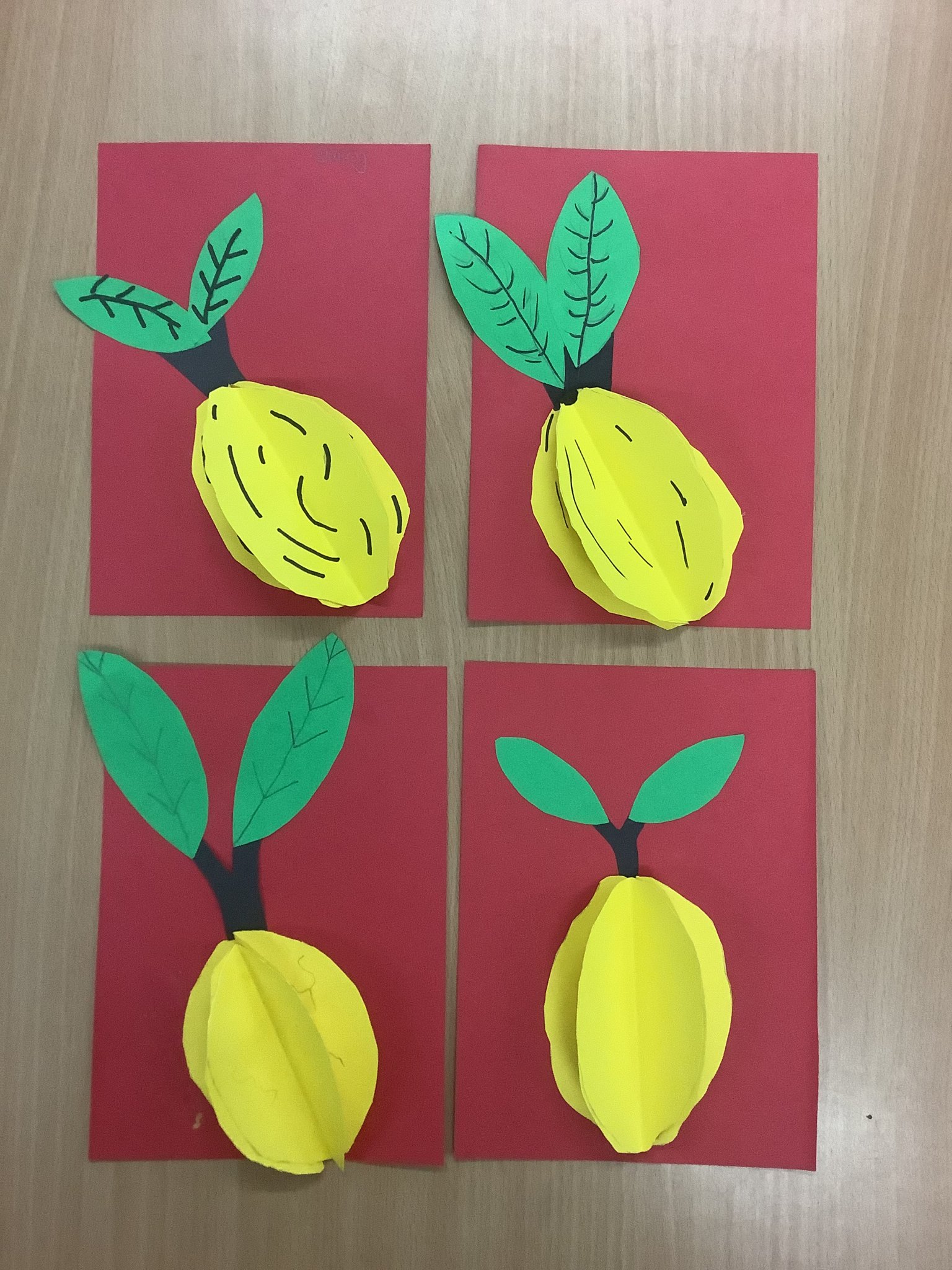
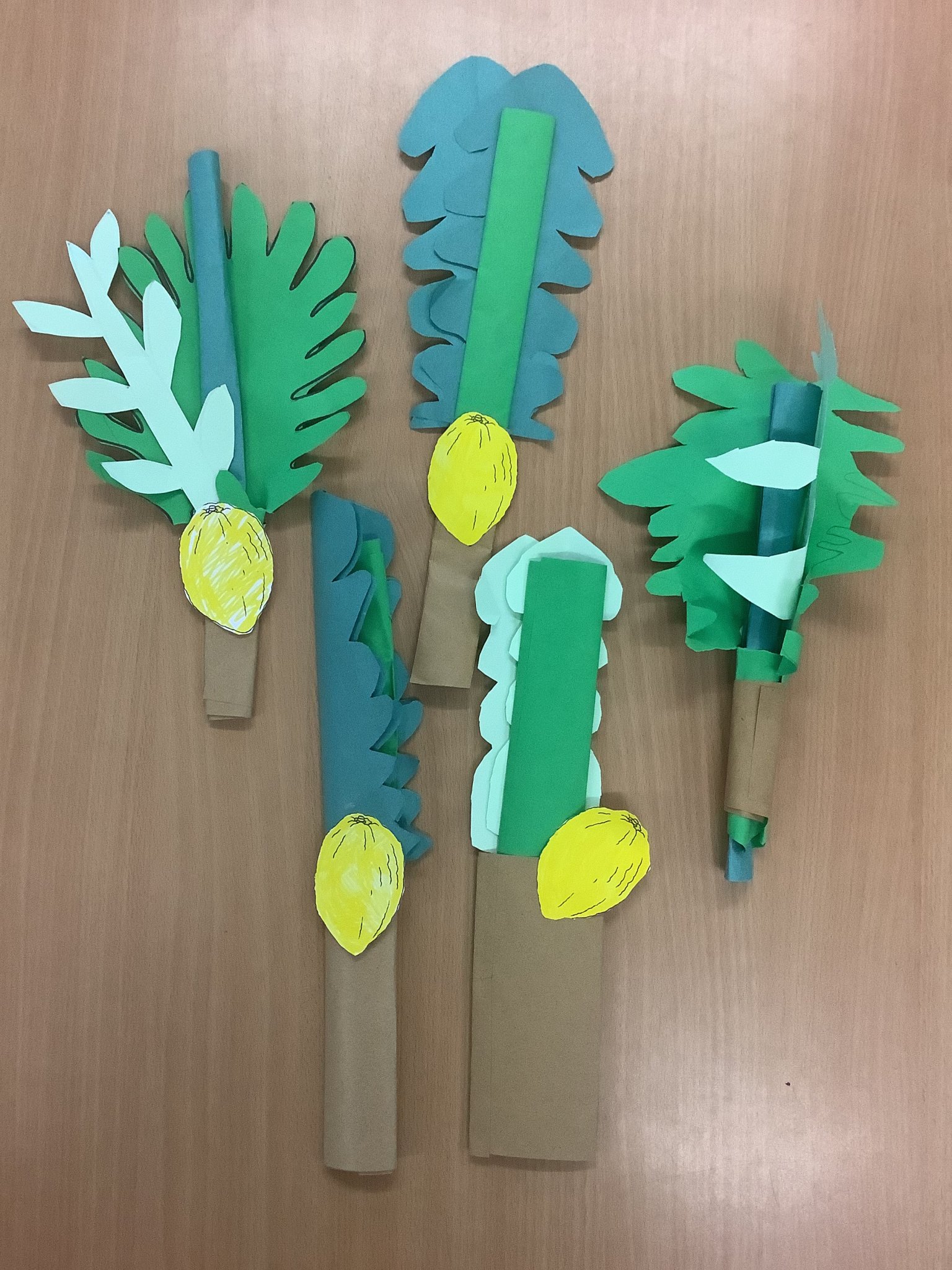
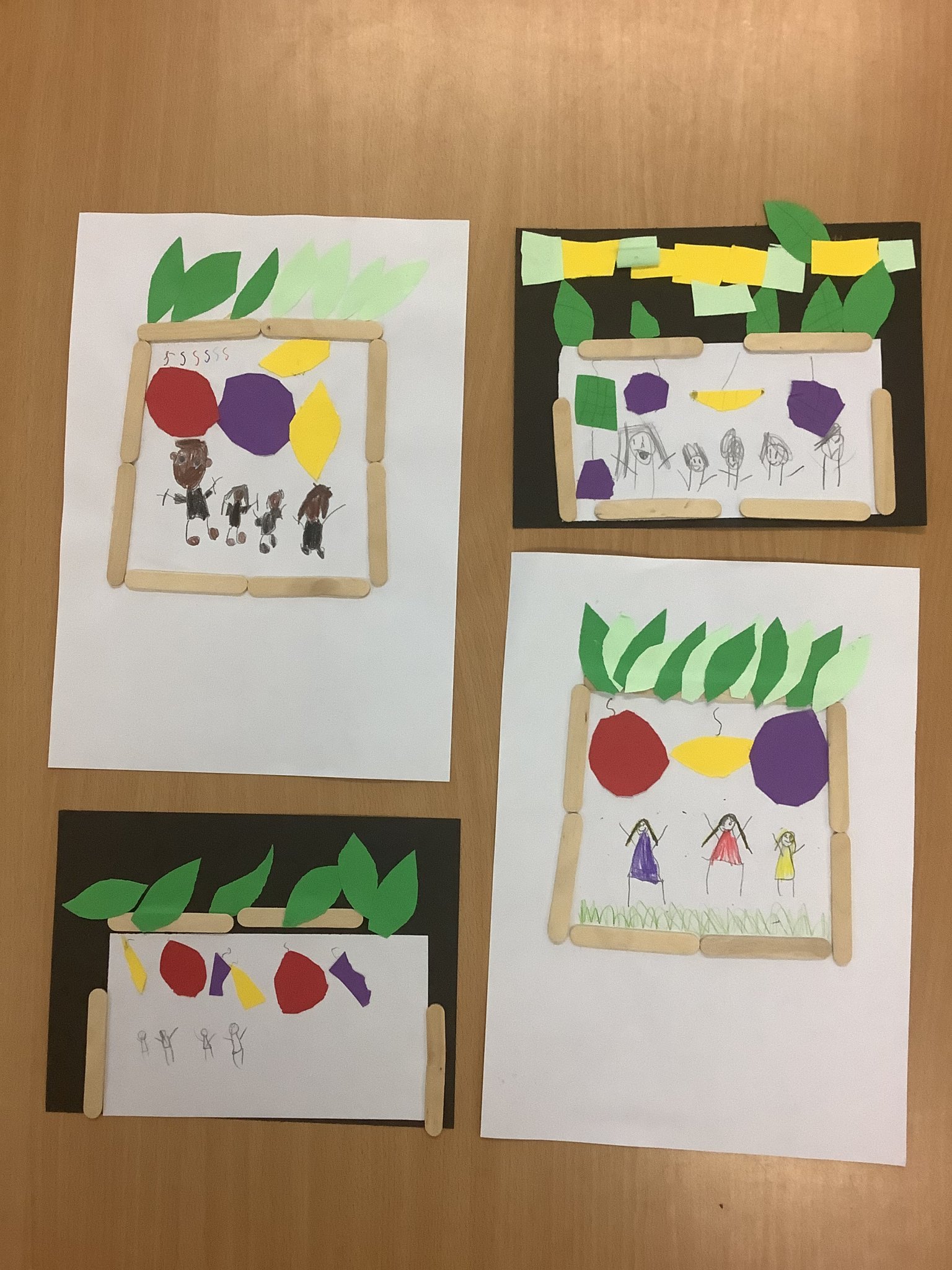
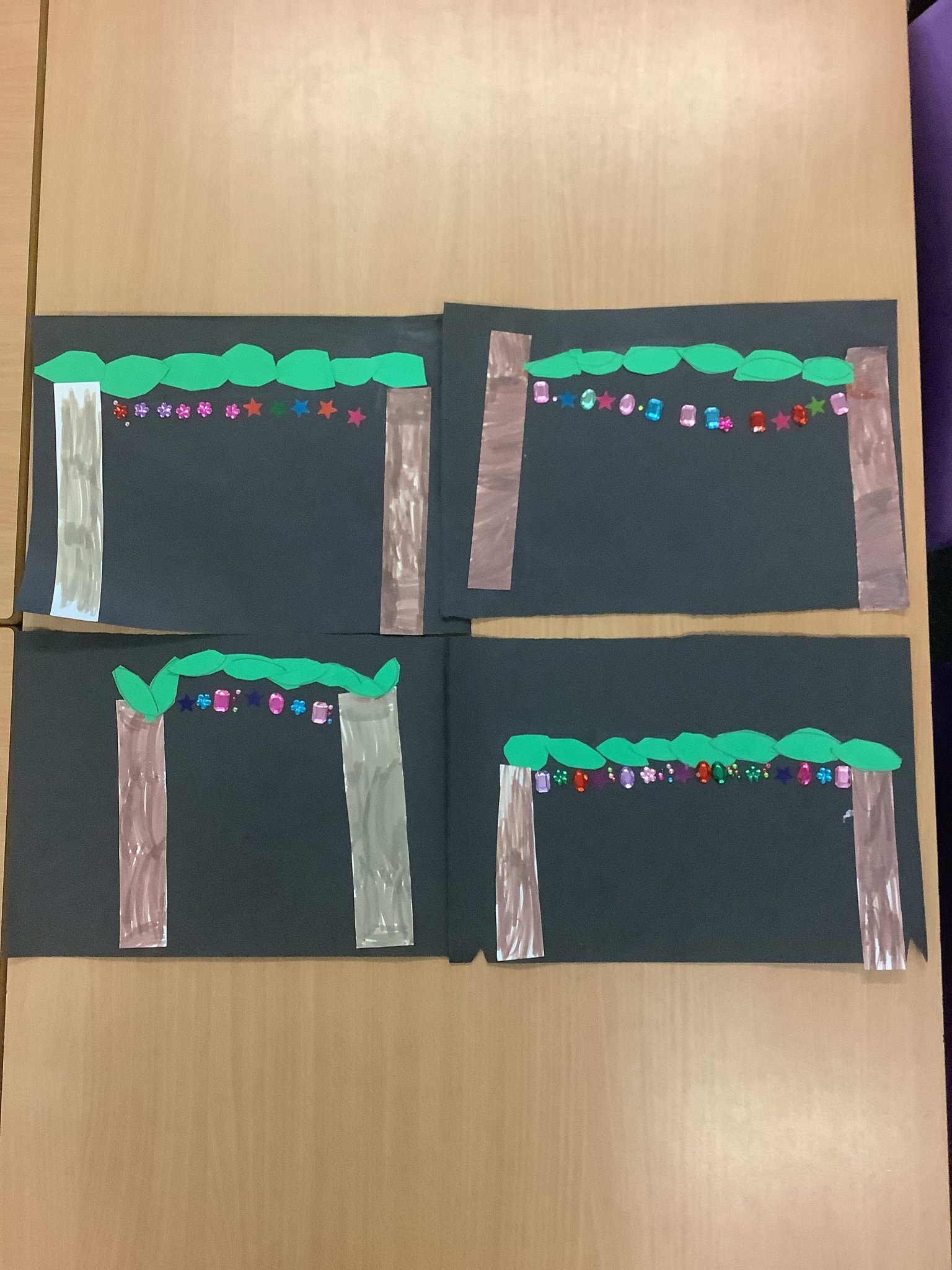
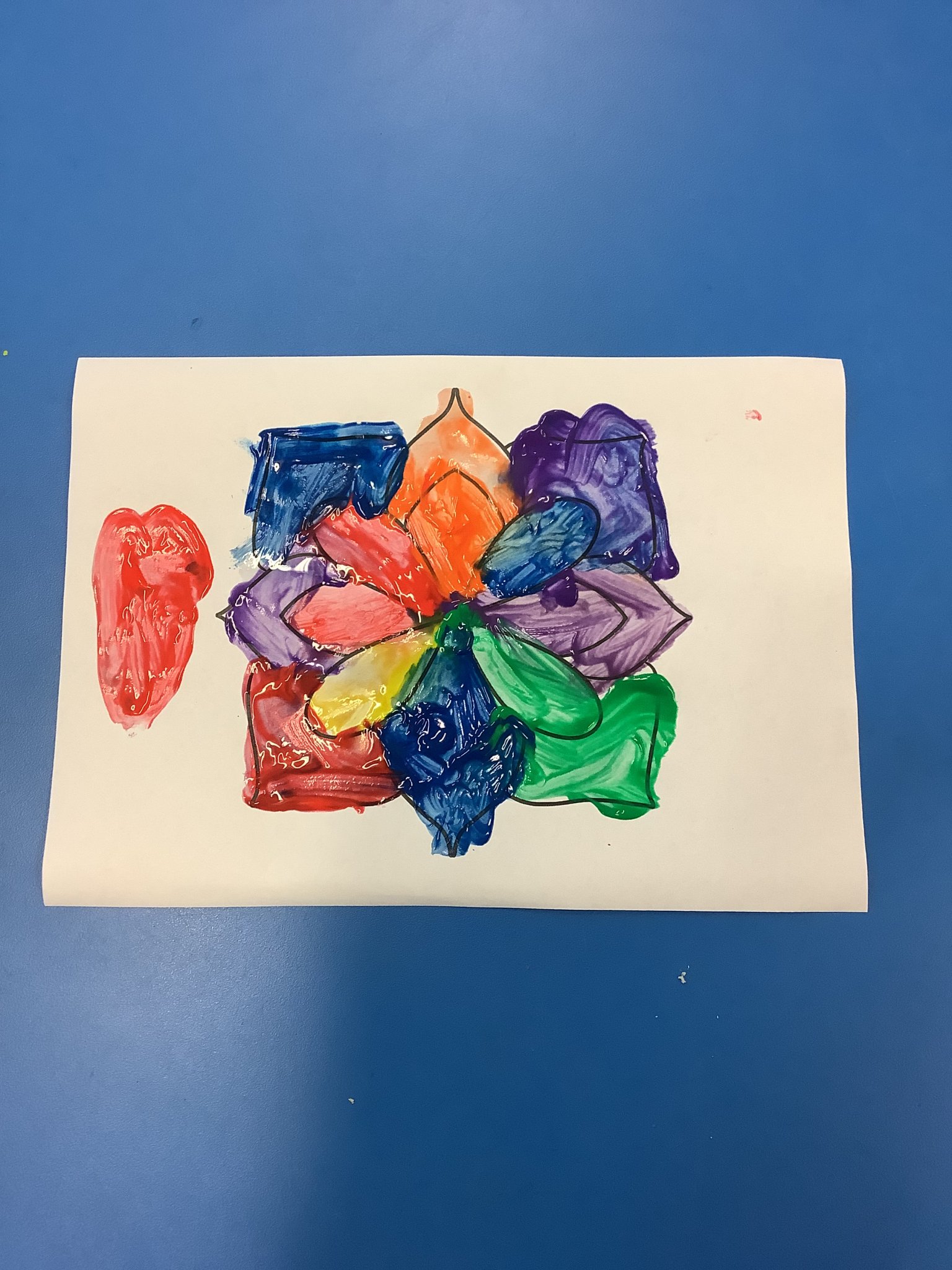
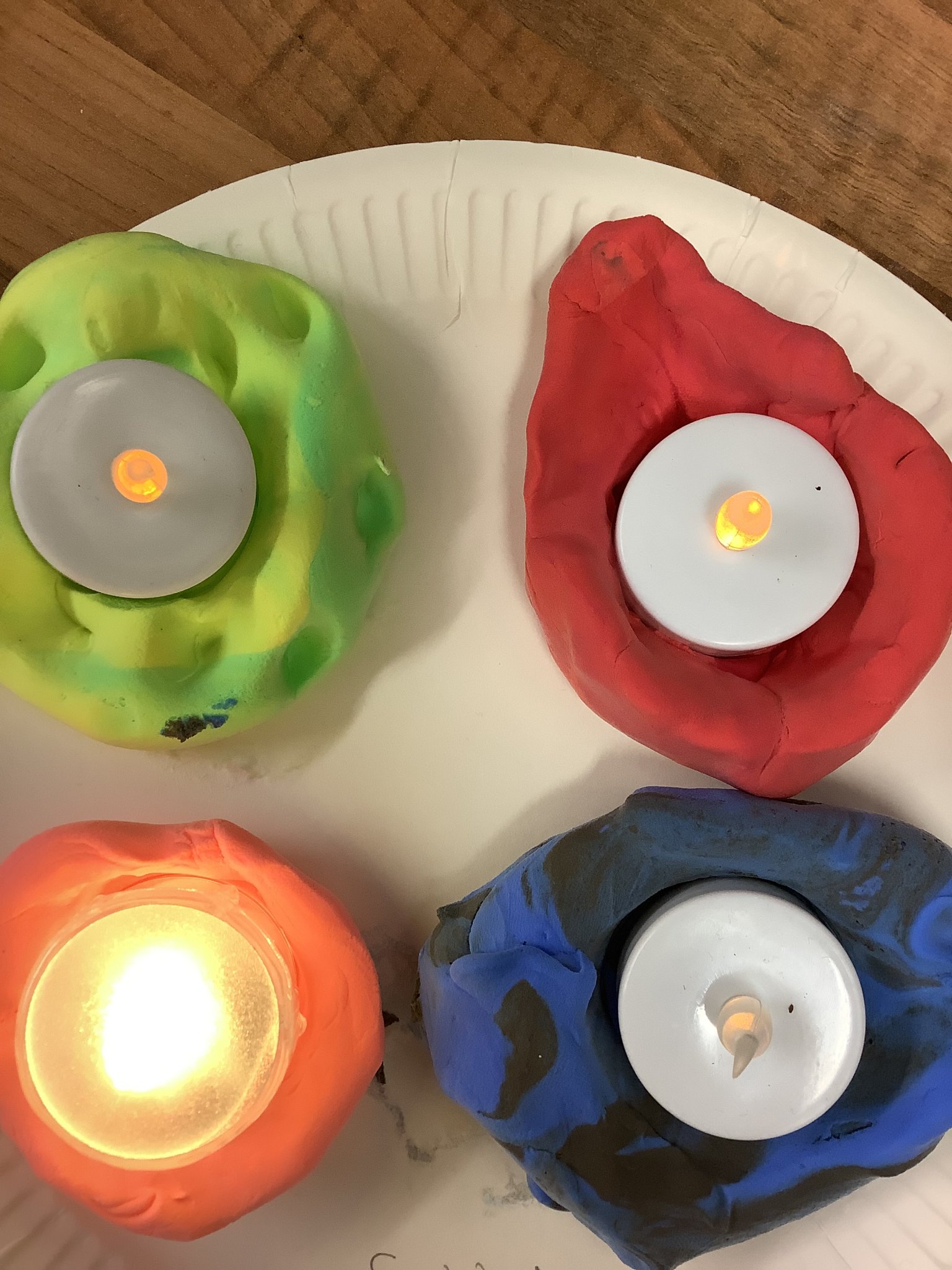
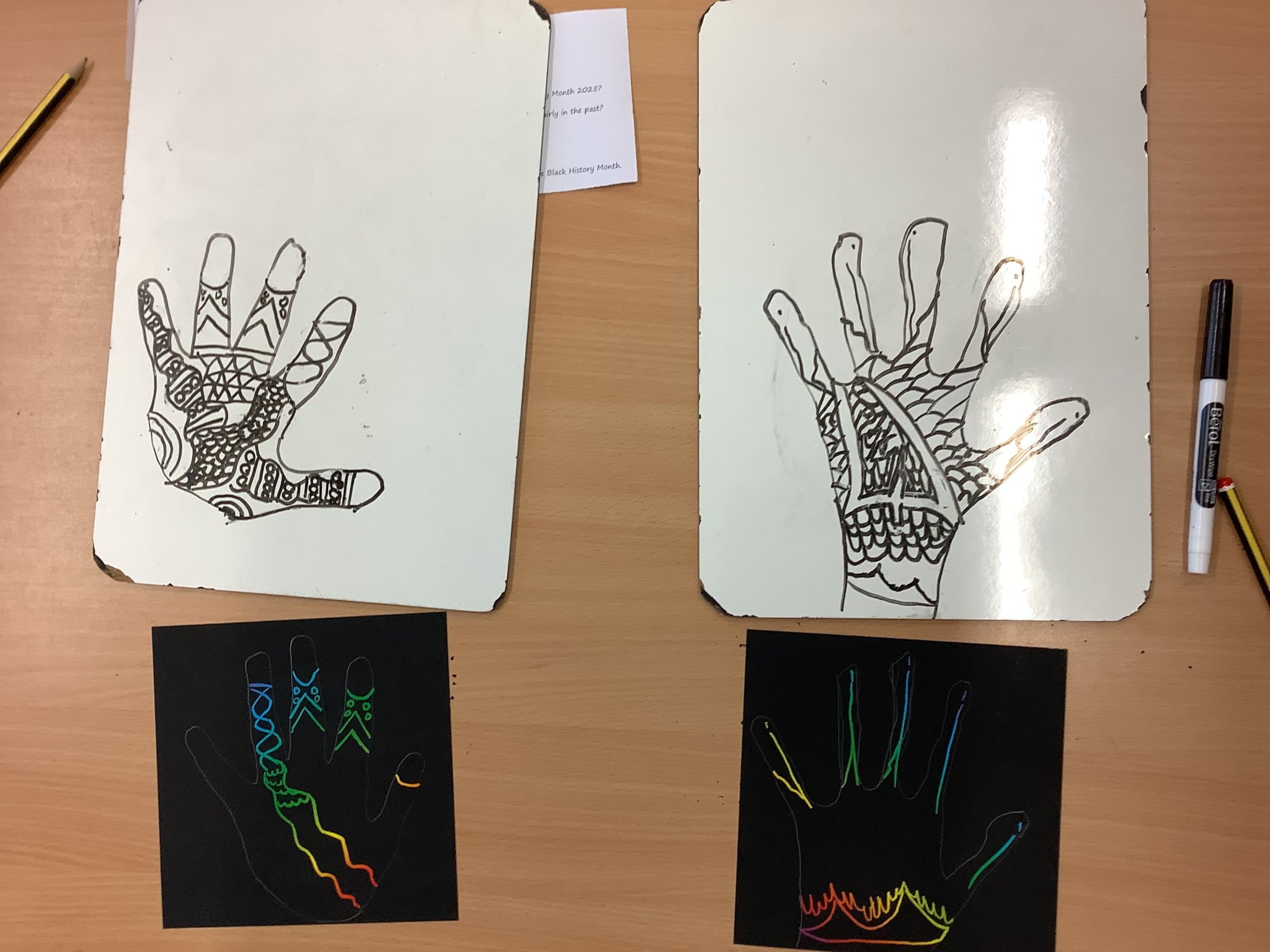
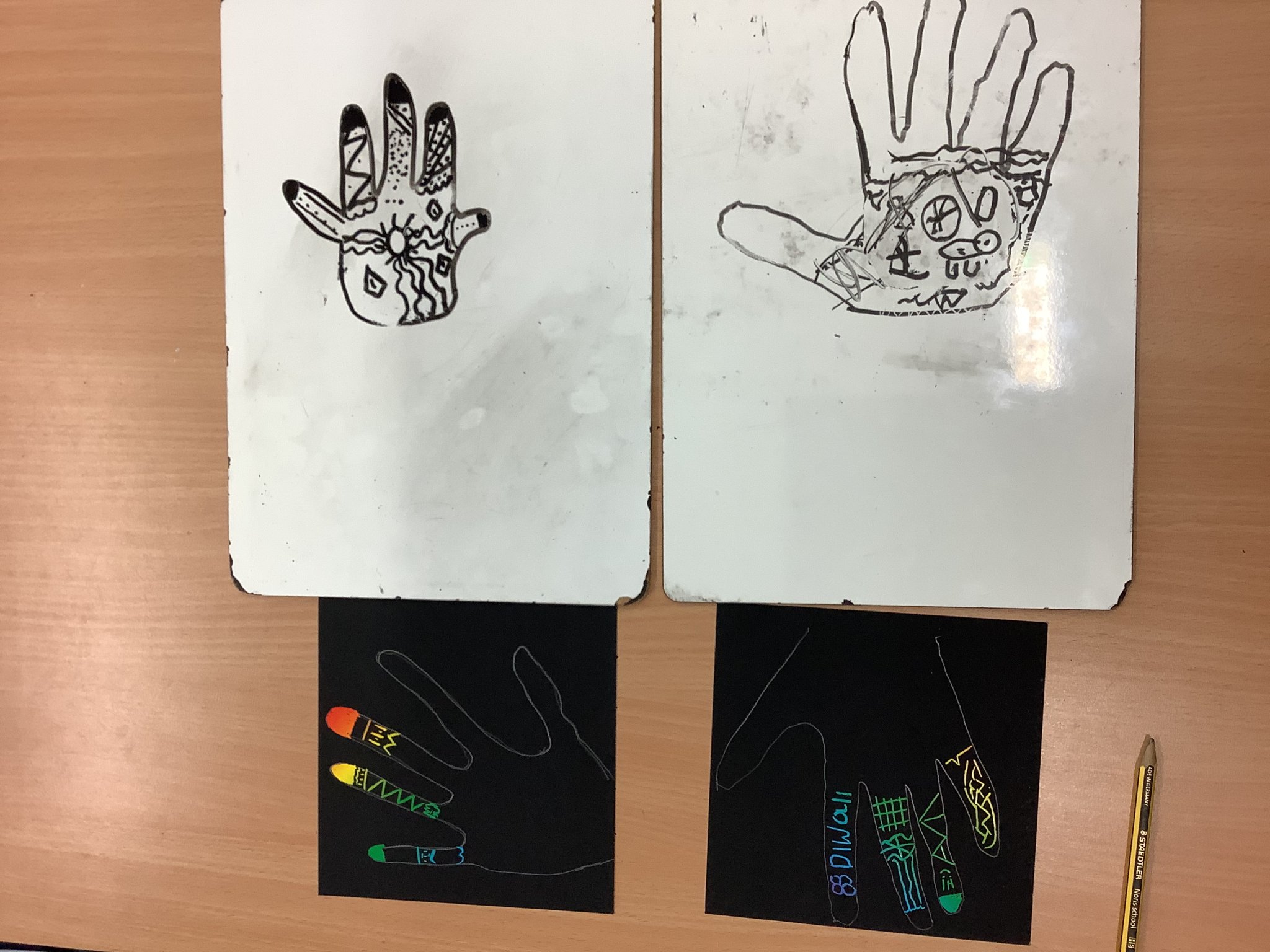
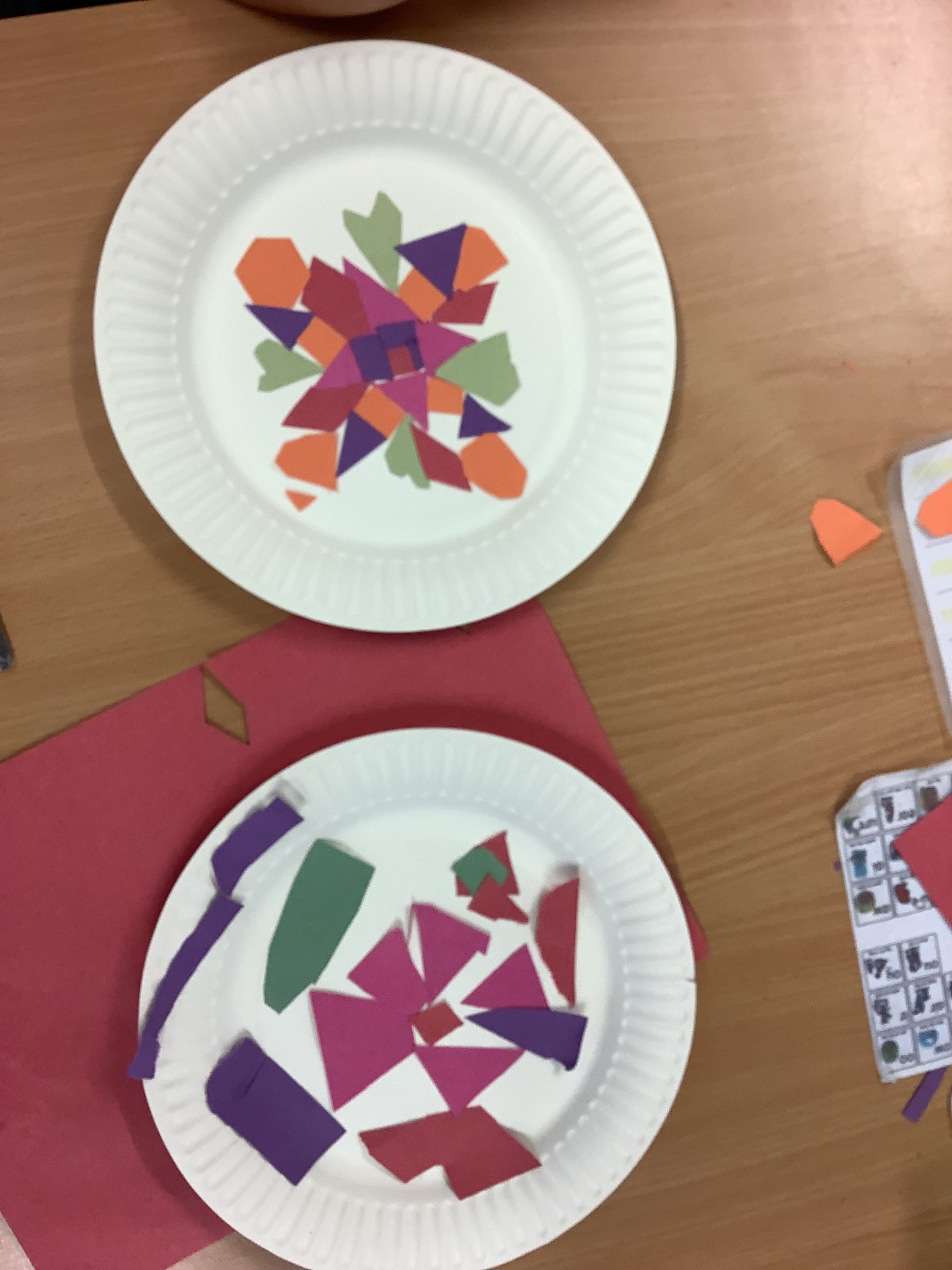
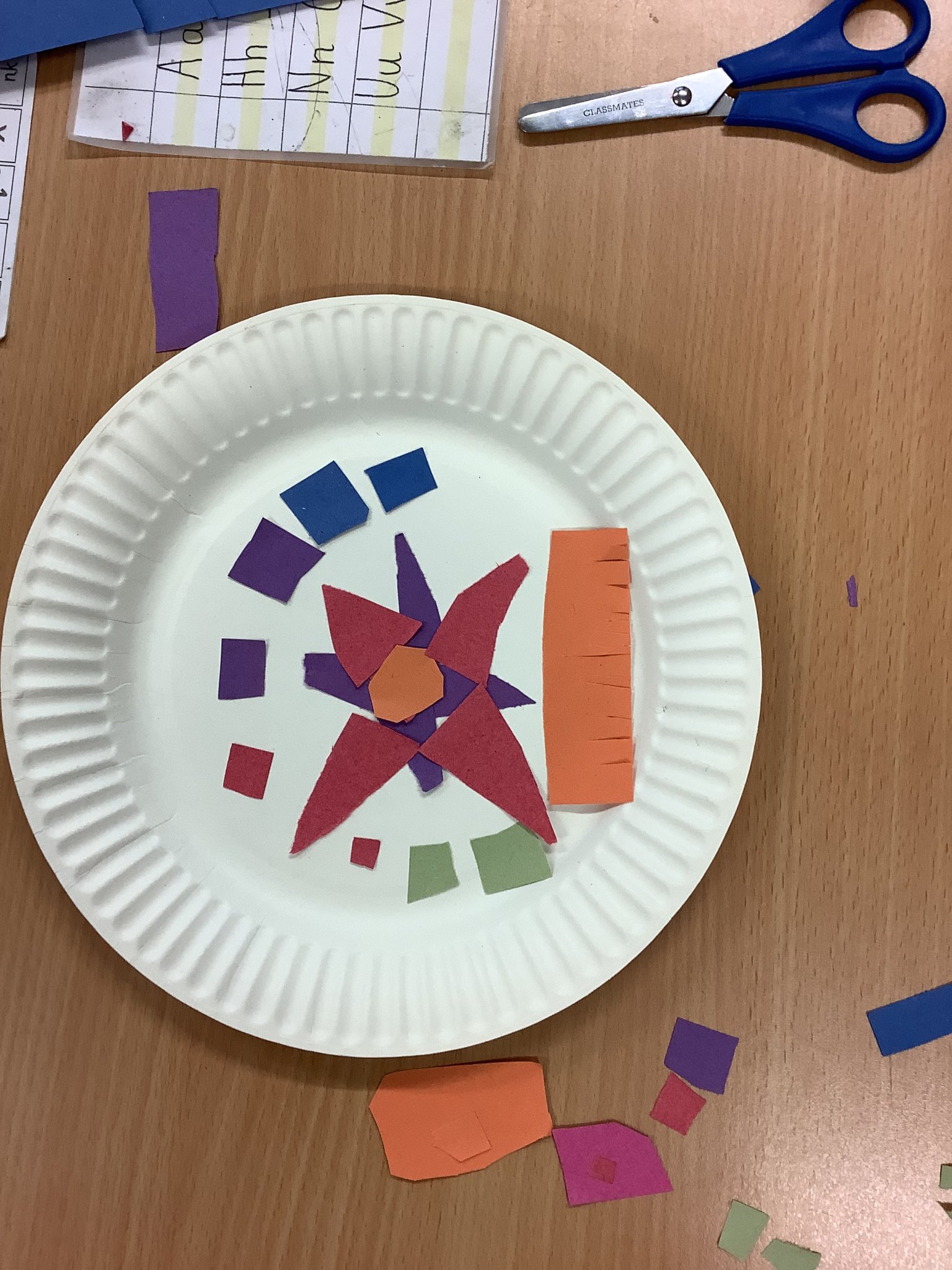
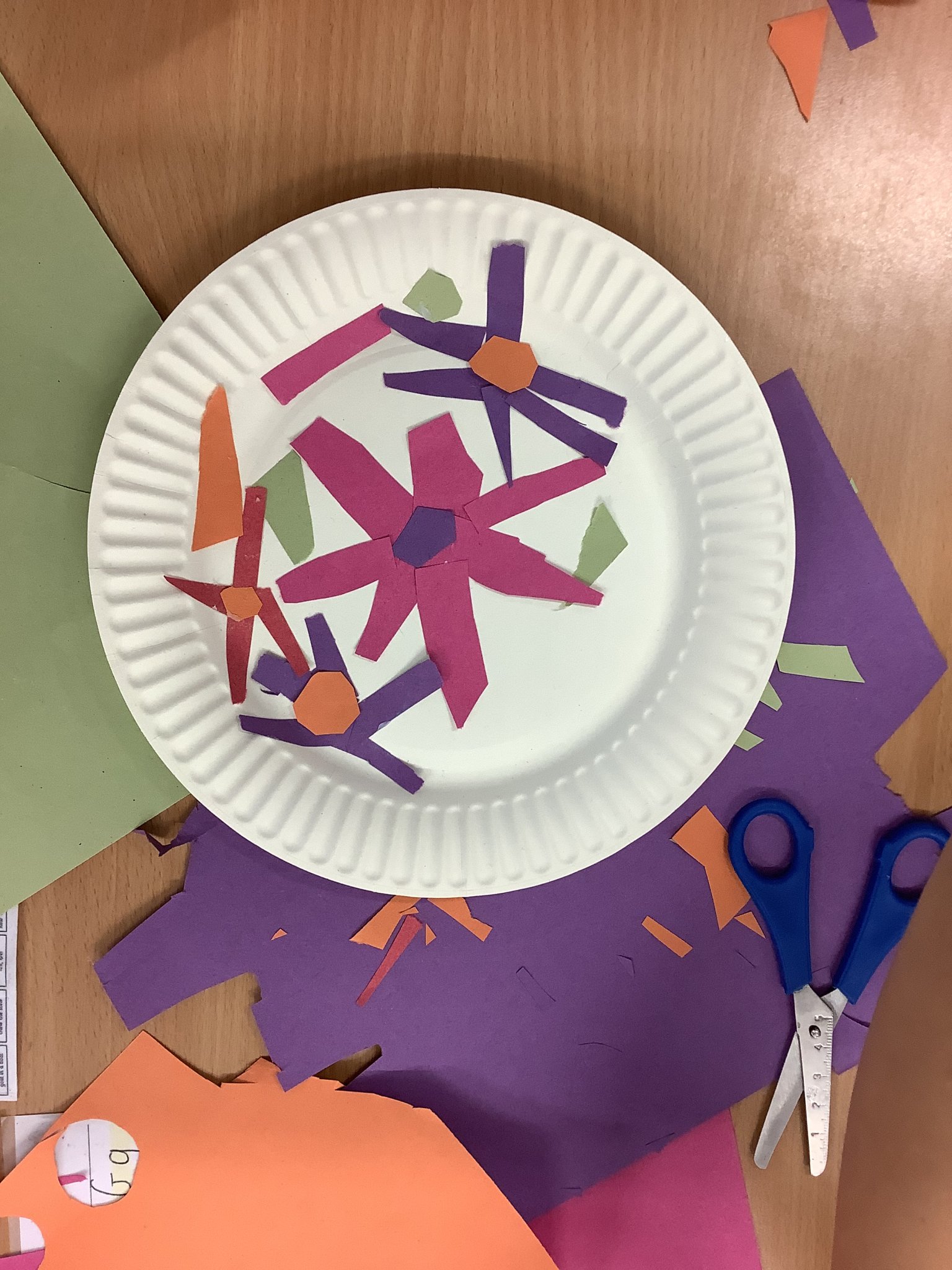
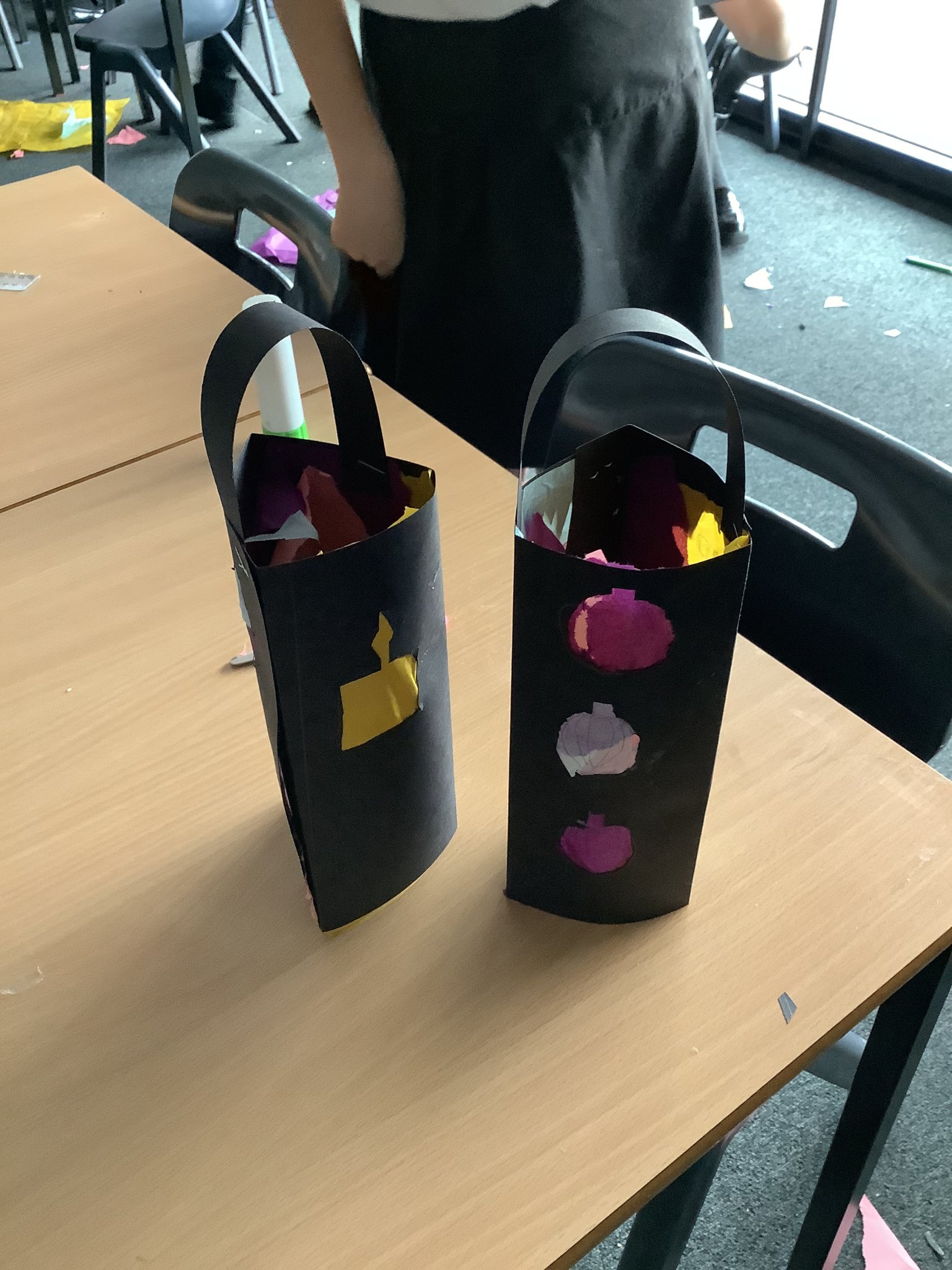
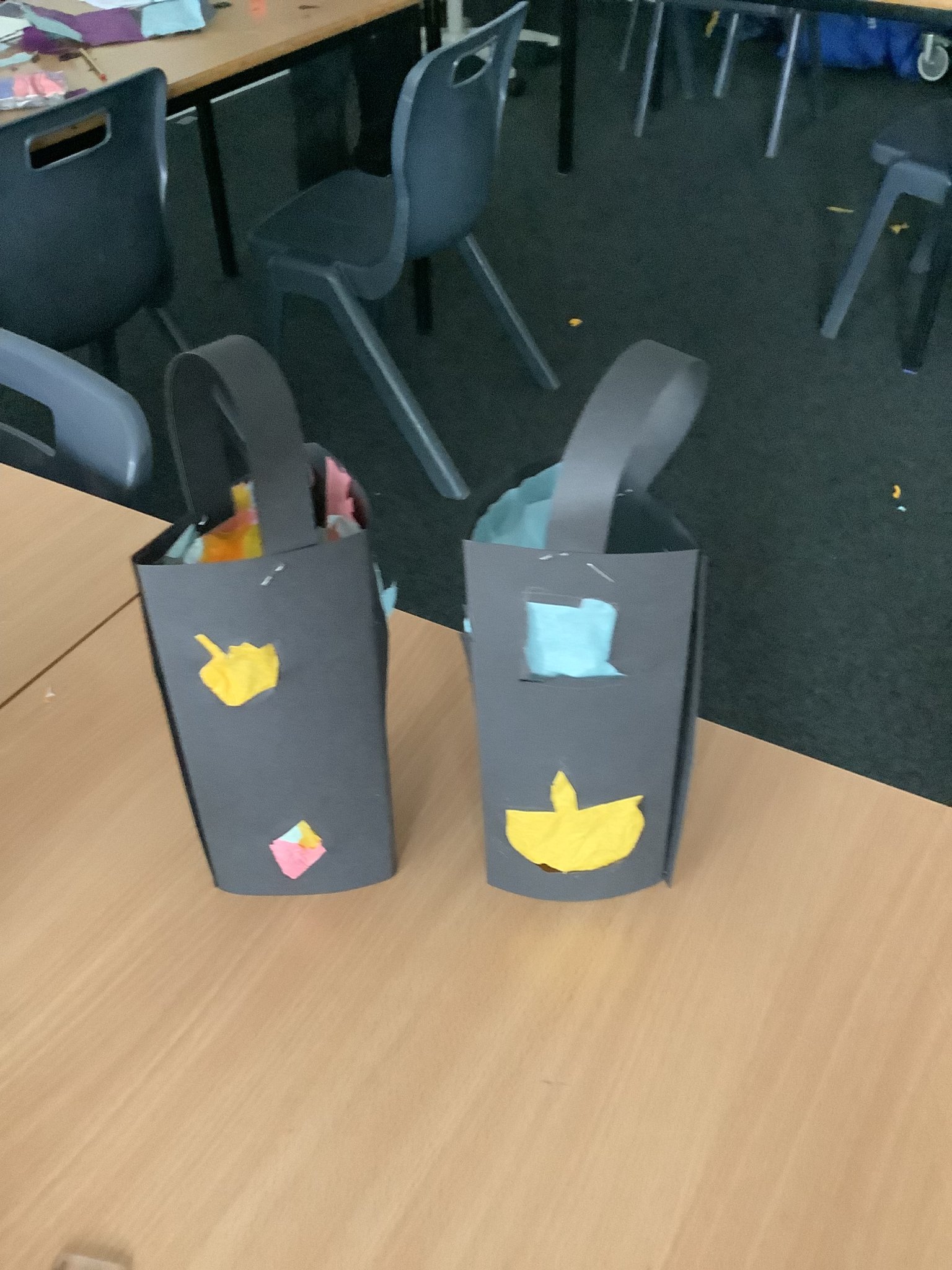
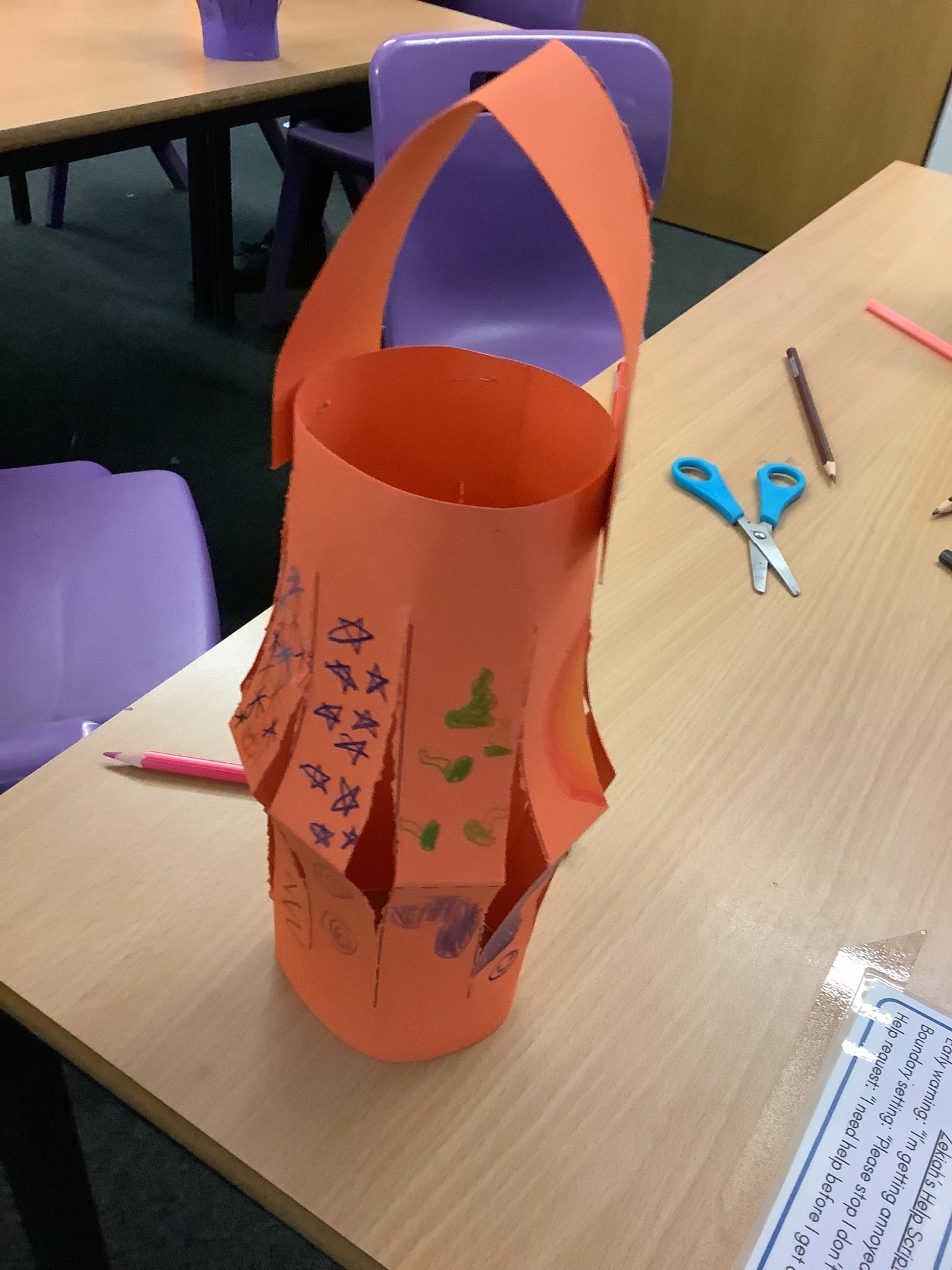
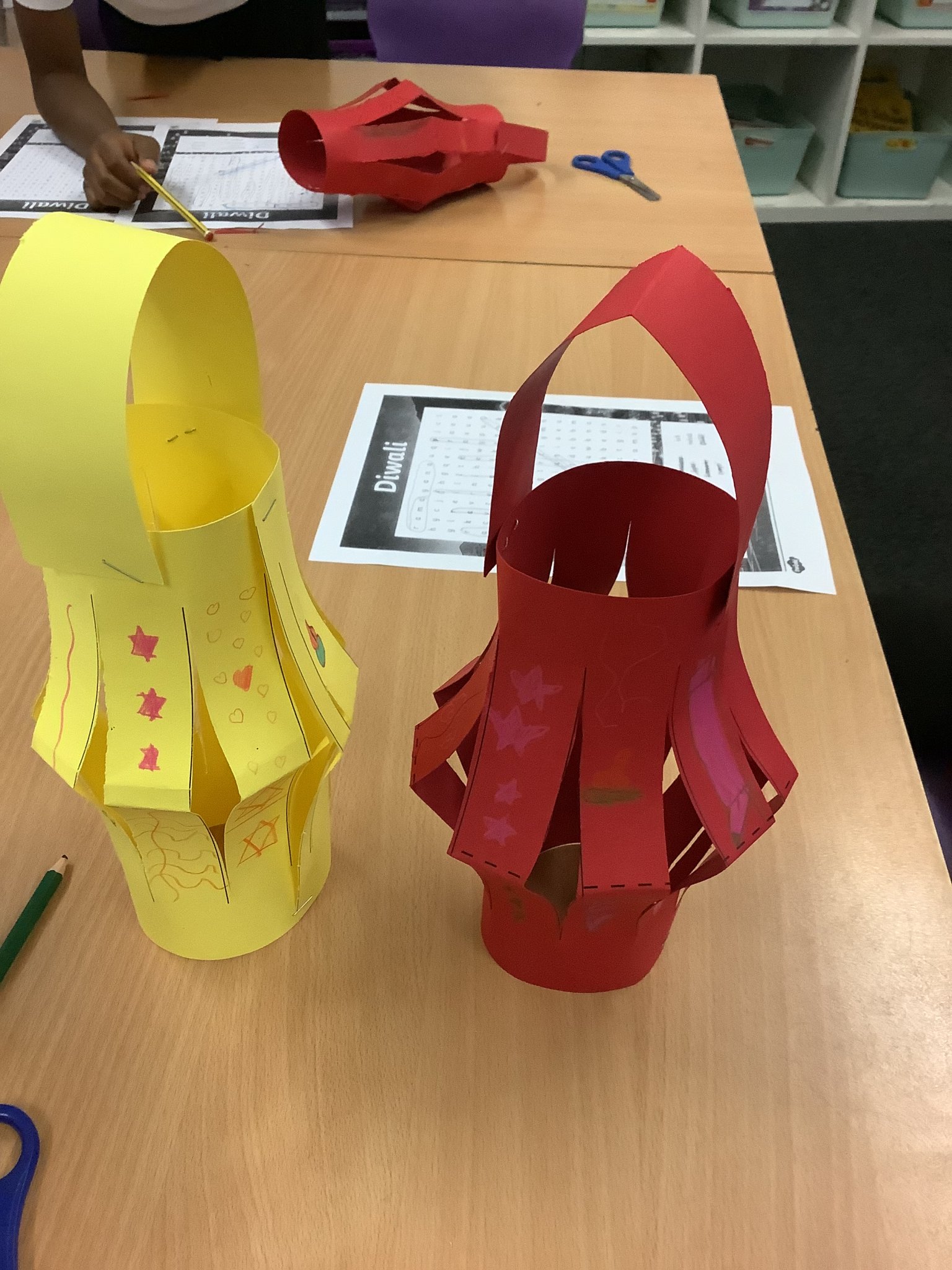
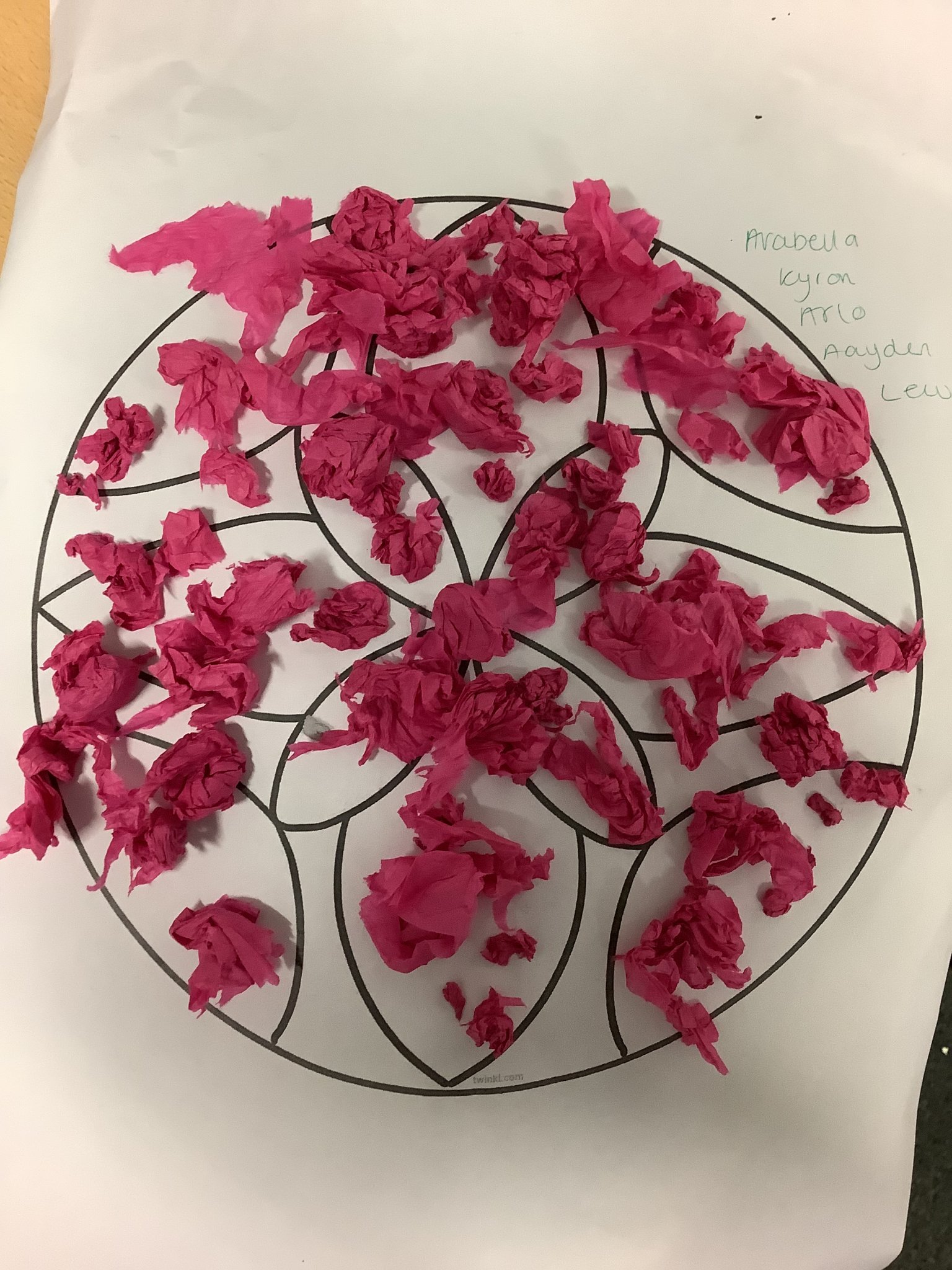
RE is taught weekly at Coleshill Heath School. Each lesson is around one hour and it is taught discretely from other subjects. We have termly ‘Culture days’ where children learn about different religious celebrations and engage in related craft activities that deepen their understanding of the culture.
The Learning Environment
Establishing a safe, open and positive learning environment based on trusting relationships between all members of the class, adults and children alike, is vital. To enable this, it is important that respect for each others’ views and beliefs and those of the believers of that religion is encouraged at all times and that any artefacts are handled with respect and care.
Teaching Sensitive and Controversial Issues
Sensitive and controversial issues are certain to arise in learning from real-life experience and discussing personal beliefs. At Coleshill Heath School, we ensure pupils in UKS2 have an awareness of the terms 'extremism' and 'radicalisation'.
Topics are presented using a variety of views and beliefs so that pupils are able to form their own, informed opinions but also respect that others have the right to different opinions. Teachers should never feel obliged to discuss their own beliefs unless they feel comfortable doing so and can ensure that this will not influence or restrict the children’s own expression.
Adapted Teaching
RE at our school is supported through a range of strategies, to ensure it is inclusive for all pupils. Lessons are varied and engaging to meet the diverse needs and learning styles of all pupils. These are some of the ways our pupils are supported:
Scaffold learning: Sentence starters, dual coding and word banks are provided for pupils who struggle with writing. Simplified texts are given to pupils who need extra support.
Sensory Preferences: Images, short videos, reading religious fiction and non-fiction books, storytelling, discussions, role-play and using artefacts.
Flexible Grouping: Pupils often discuss topics in pairs/ small groups of mixed or same ability depending on the task.
| Primary R.E. curriculum Overview |  |
|
Year Group |
Autumn 1 |
Autumn 2 |
Spring 1 |
Spring 2 |
Summer 1 |
Summer 2 |
|
EYFS Nursery |
All about me |
Christmas
Diwali |
Chinese new year
Shrove Tuesday - Christianity |
Easter - Christianity
Eid Al-Fitr – Islam
Holi - Hinduism |
Eid al-Adha - Islam
My senses
|
Our community |
|
EYFS Reception
|
Unit 3 (F4) Being special: Where do we belong? (Thematic) |
Unit 2 (F2) Why do Christians perform Nativity plays at Christmas? (Why is Christmas special for Christians?) (Incarnation) |
Unit 1 (F1) Why is the word God so important to Christians? (Creation) |
Unit 4 (F3) Why do Christians put a cross on their Easter garden? (Why is Easter special to Christians?) (Salvation) |
Unit 5 (F5) Which places are special and why?
(Thematic) |
Unit 6 (F6) Which stories are special and why? (Thematic) |
|
KS1 Year 1
|
Unit 7 Who do Christians say made the world? (Creation) |
Unit 8 Why does Christmas matter to Christians? (Incarnation) |
Unit 9 Who is Jewish and how do they live? (Judaism) |
Unit 10 What do Christians believe God is like? (God) |
Unit 11 What does it mean to belong to a faith community? (Thematic) |
Unit 12 How should we care for the world and for others, and why does it matter? (Thematic) |
|
KS1 Year 2
|
Unit 13 What is the good news Christians believe Jesus brings? (Gospel)
|
Unit 14 What is the good news Christians believe Jesus brings? (Gospel) |
Unit 15 Who is a Muslim and how do they live? (Part 1) (Islam) |
Unit 16 Why does Easter matter to Christians? (Salvation) |
Unit 17 Who is a Muslim and how do they live? (Part 2) (Islam) |
Unit 18 What makes some places special to believers? (Thematic) |
|
Year 3 LKS2 |
Unit 19 (L2.2) What is it like for someone to follow God? (People of God) |
Unit 20 (L2.3) What is the Trinity and why is it important for Christians? (Incarnation/God) |
Unit 21 (L2.9) How do festivals and worship show what matters to a Muslim? (Islam) |
Unit 22(L2.10) How do festivals and family life show what matters to Jewish people? (Judaism) |
Unit 23 (L2.1) What do Christians learn from the creation story? (Creation/Fall) |
Unit 24 (L2.12) How and why do people try to make the world a better place? (Thematic) |
|
Year 4 LKS2 |
Unit 25 (L2.4) What kind of world did Jesus want? (Gospel) |
Unit 30 (L2.11) How and why do people mark the significant events of life? (Thematic) |
Unit 27 (L2.7) What do Hindus believe God is like? (Hindus) |
Unit 28 (L2.5) Why do Christians call the day that Jesus died ‘Good Friday’? (Salvation)
|
Unit 29 (L2.8) What does it mean to be a Hindu in Britain today? (Hindus) |
Unit 26 (L2.6) For Christians, when Jesus left; what was the impact of Pentecost? (Kingdom of God) |
|
Year 5 UKS2 |
Unit 32 (U2.8) What does it mean to be a Muslim in Britain today? (Islam)
|
Unit 31 (U2.1) What does it mean if Christians believe God is Holy and loving? (God) |
Unit 33 (U2.9) Why is the Torah so important to Jewish people? (Judaism) |
Unit 34 (U2.2) Creation and science, conflicting or complimentary? (Creation/Fall) |
Unit 35 How can following God bring freedom and justice? (People of God)
|
Unit 36 (U2.10) What matters most to Humanists and Christians? (Thematic) |
|
Year 6 UKS2 |
Unit 37 (U2.4) Christians and how to live: what would Jesus do? (Gospel) |
Unit 38 (U2.3) Why do Christians believe that Jesus was the Messiah? (Incarnation) |
Unit 39 (U2.7) Why do Hindus want to be good? (Hindus) |
Unit 40 (U2.5) What difference does the resurrection make to Christians? (What do Christians believe Jesus did to ‘save’ people?) (Salvation) |
Unit 41 (U2.6) For Christians, what kind of king is Jesus? (Kingdom of God) |
Unit 42 (U2.11) Why do some people believe in God and some not? (Thematic) |
RE gives particular opportunities to promote an ethos of respect for others, challenge stereotypes and build understanding of other cultures and beliefs. This contributes to promoting a positive and inclusive school ethos that champions democratic values and human rights. Opportunities to enhance the children's learning and understanding are continually sought out by the RE lead. Numerous visitors provide the opportunity for religious assemblies and learning opportunities. These sessions are linked to what is being taught during that unit of work and we have found this to be an invaluable experience for our children to further their understanding of different faiths. Teachers are always present during these sessions and remain responsible for the effective delivery of the RE programme.
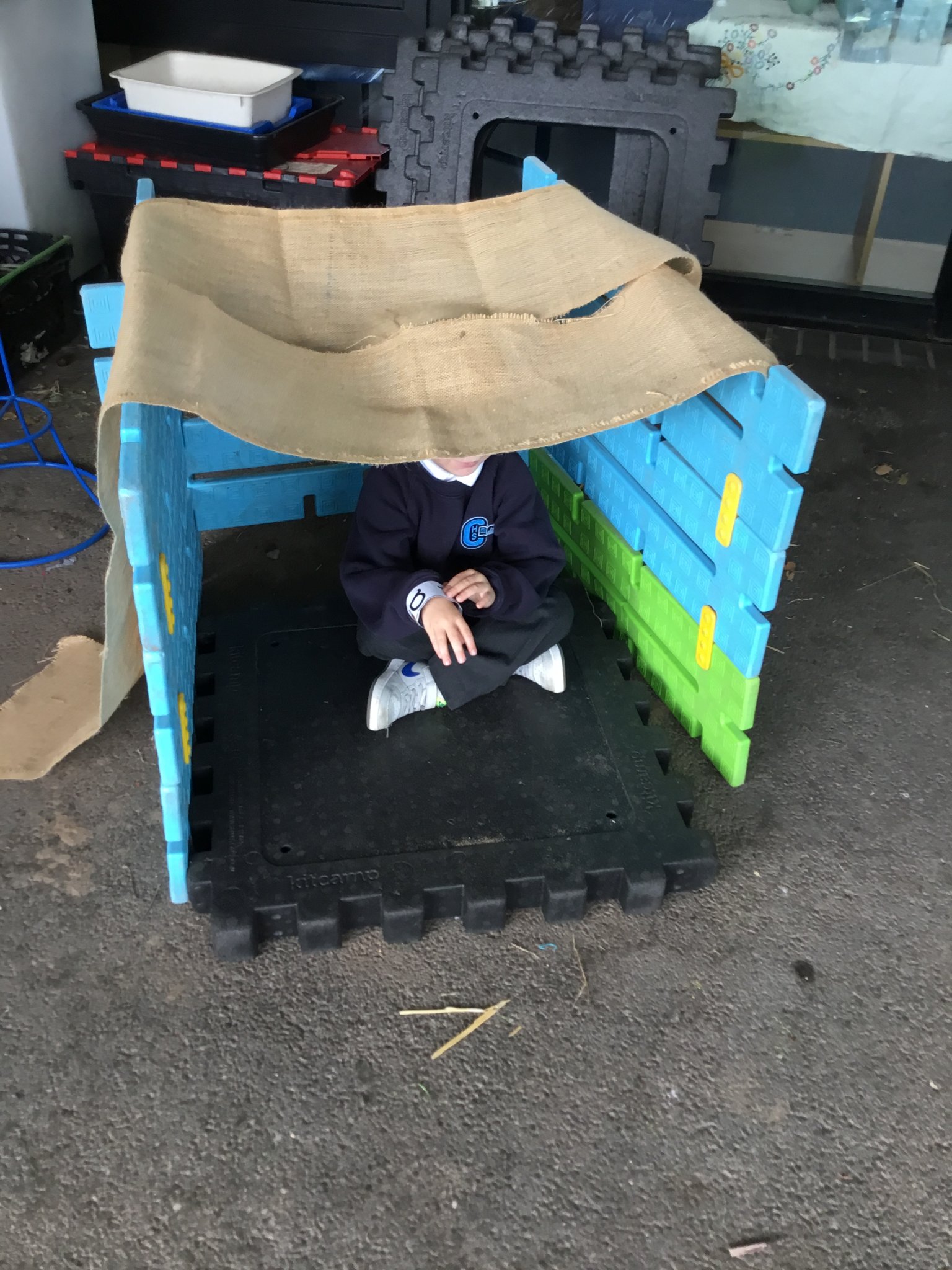
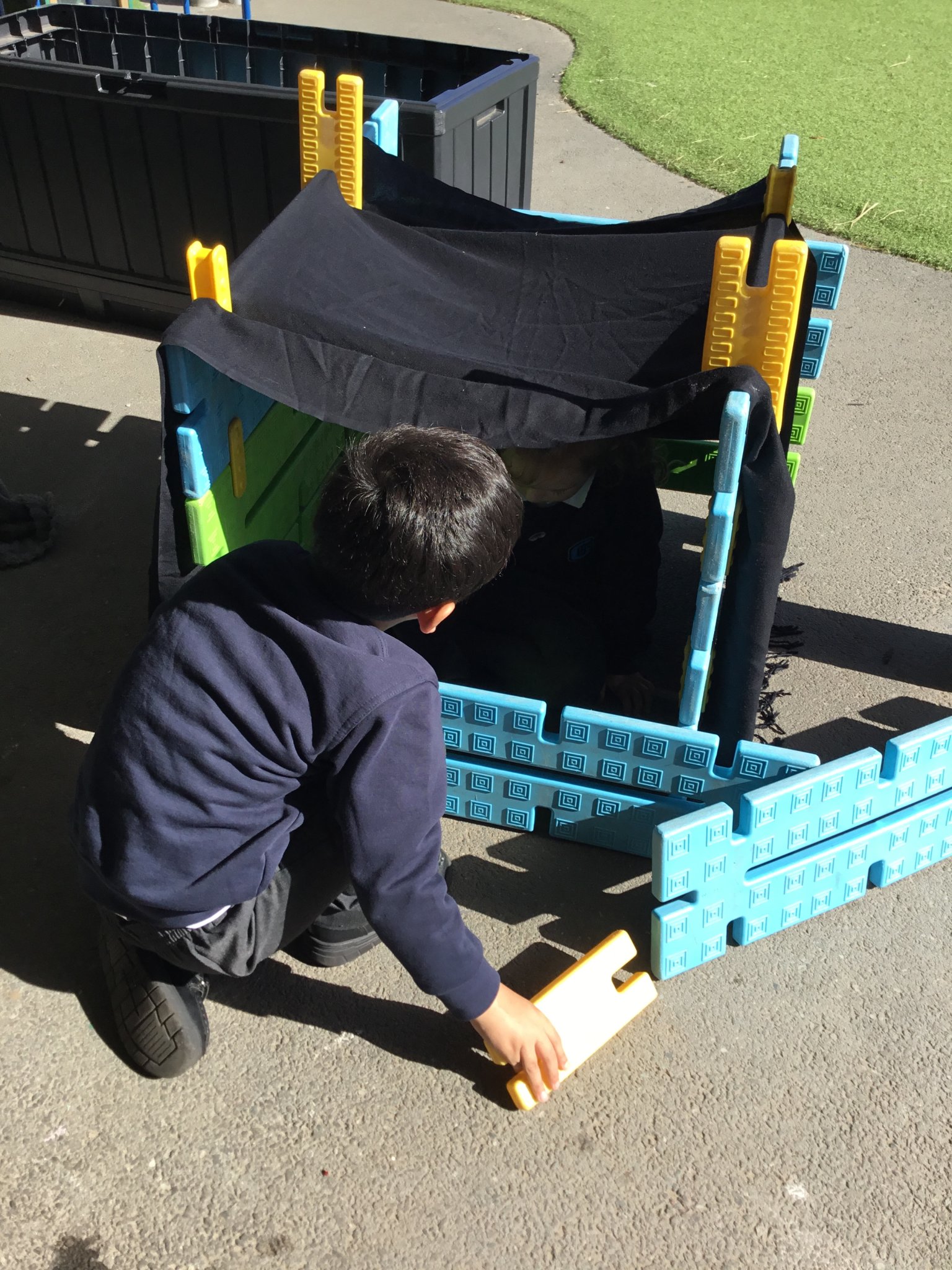
Culture day October 2025 - Diwali (Hinduism)
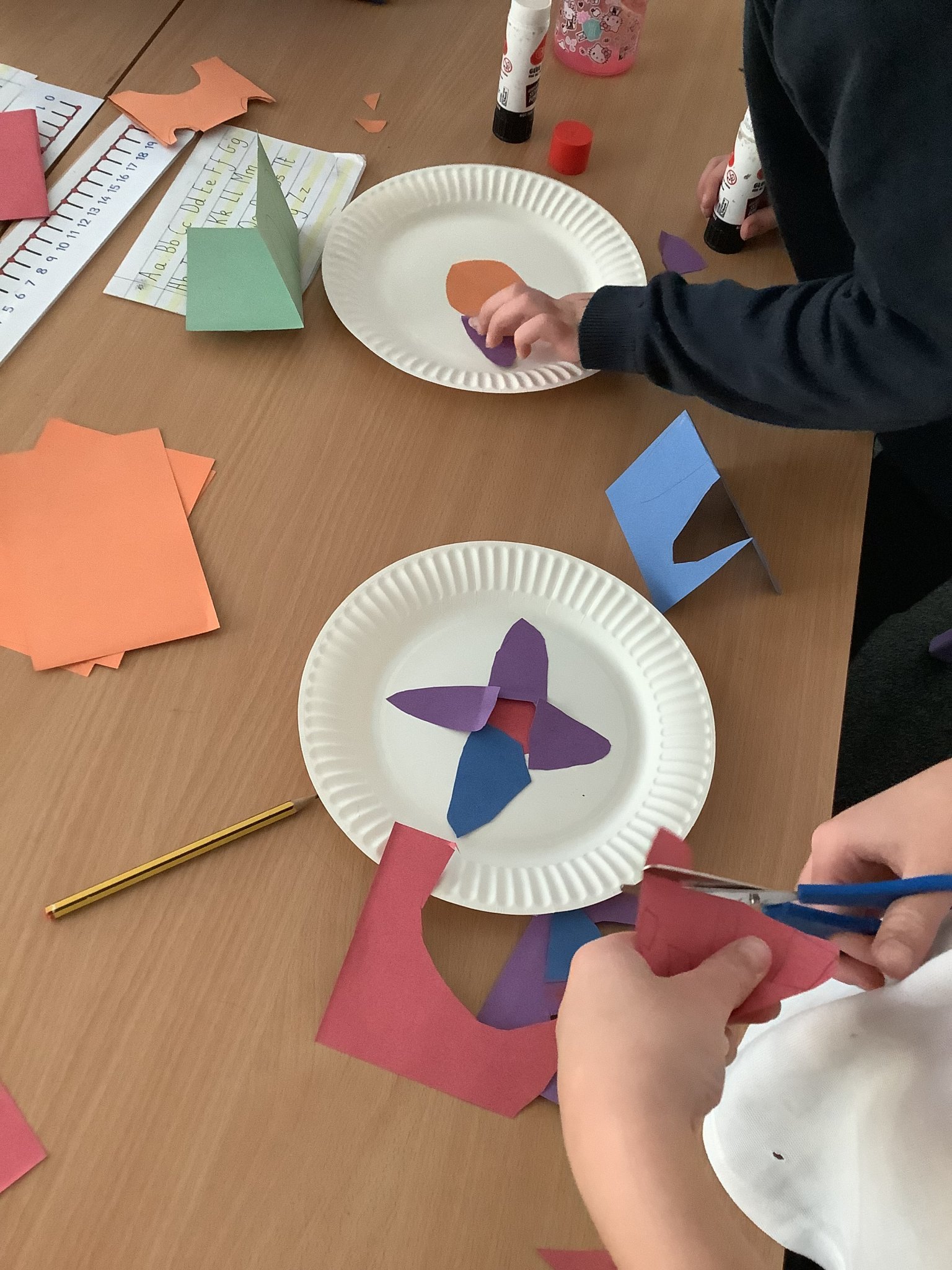

Culture day October 2026 - Sukkot (Judaism)